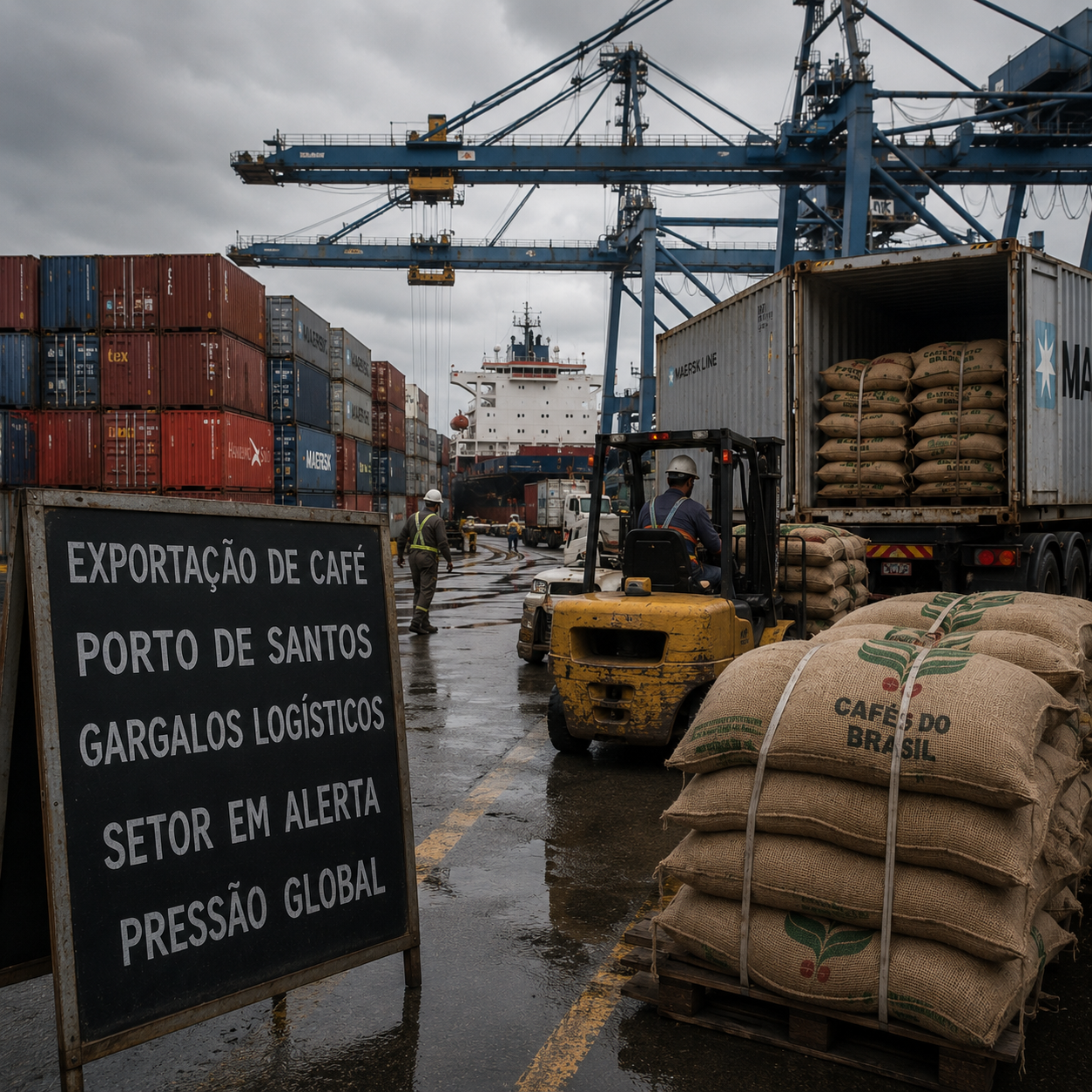



Brazilian markets traded cautiously as investors balanced inflation data, geopolitical tensions involving Iran, and expectations for US interest rates while the dollar hovered near critical technical levels.
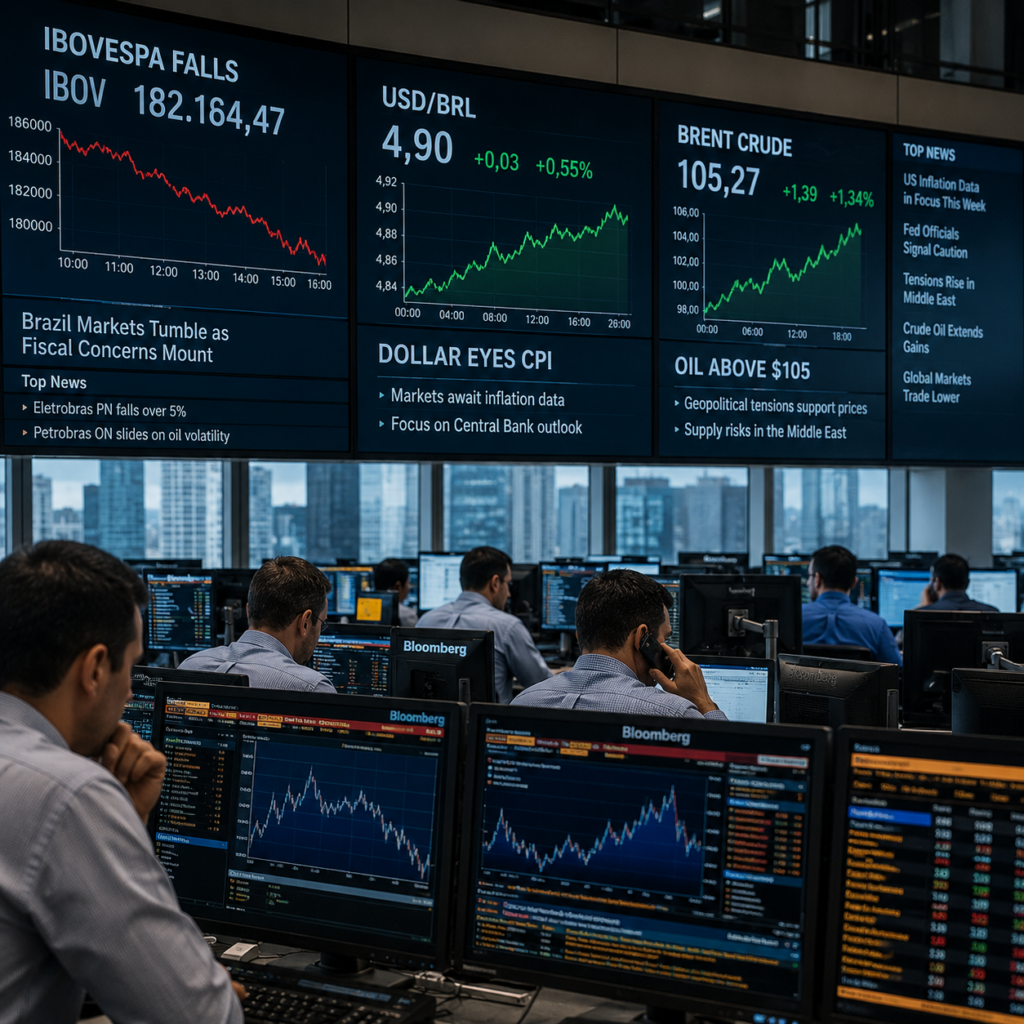
The Brazilian stock market closed lower on Wednesday, with the Ibovespa drifting around the 182,000-point level as investors navigated a volatile macroeconomic landscape shaped by inflation concerns, geopolitical tensions, and uncertainty surrounding global monetary policy.
Meanwhile, the US dollar against the Brazilian real ended the session close to stability, with traders closely monitoring domestic inflation data and upcoming US economic indicators that could redefine expectations for Federal Reserve interest rate decisions in the coming months.
Geopolitical Tensions Push Oil Prices Higher
Global markets remained under pressure after renewed tensions between the United States and Iran reignited concerns about energy supply disruptions and broader instability in the Middle East.
Former US President Donald Trump intensified the rhetoric after calling Iran’s latest nuclear proposal “stupid” and stating that the ceasefire negotiations were “barely alive” following Tehran’s refusal to transfer enriched uranium outside the country.
Although reports indicated that Iranian authorities may accept uranium dilution measures, the refusal to move nuclear material abroad has kept diplomatic negotiations at a standstill.
As a result, oil prices surged above US$105 per barrel, fueling inflation concerns across global markets and increasing volatility in equities and foreign exchange trading.
Additional pressure came from comments made by the CEO of Saudi Aramco, who warned that the global oil market may not fully normalize until 2027 due to structural supply constraints and underinvestment in energy infrastructure.
At the same time, Trump promised a temporary reduction in the federal gasoline tax in the United States, a measure viewed by analysts as politically motivated amid rising fuel prices and inflationary pressure.
Emerging Markets Show Resilience Despite Volatility
Despite elevated geopolitical risks, capital flows toward emerging markets demonstrated surprising resilience.
According to data from the Institute of International Finance (IIF), global investors returned to emerging economies in April after a massive outflow of US$66.2 billion recorded in March.
The report showed inflows totaling US$58.3 billion last month, largely driven by demand for emerging market debt instruments as investors searched for yield opportunities amid expectations that global interest rates could stabilize later this year.
For Brazil, the return of foreign capital remains a supportive factor for both the stock market and the Brazilian real, even as volatility persists.
Market participants continue to monitor whether Brazil can maintain its attractiveness relative to other emerging economies, especially given its still-elevated interest rate environment and strong commodity export base.
Brazil’s Inflation Data Takes Center Stage
Domestically, investor attention is now fully concentrated on Brazil’s April IPCA inflation report, scheduled for release at 9:00 a.m.
The inflation data arrives at a delicate moment for the Brazilian economy, particularly as rising global energy prices threaten to pressure transportation and fuel costs.
Analysts believe the report could significantly influence expectations regarding the Central Bank of Brazil’s next monetary policy decisions.
If inflation proves stronger than expected, markets may reduce bets on future interest rate cuts, potentially supporting the Brazilian real while weighing on equities.
On the other hand, softer inflation data could revive optimism surrounding domestic consumption and economic growth.
Brazil’s trade balance also remained in focus after the country posted a US$2.721 billion surplus during the first week of May, bringing the accumulated surplus for the year to US$27.5 billion.
The strong export performance continues to provide structural support for the Brazilian currency, especially through commodity shipments such as soybeans, iron ore, crude oil, and coffee.
US CPI and Federal Reserve Expectations
In the United States, investors are preparing for a series of critical economic reports that may recalibrate expectations for the Federal Reserve.
The ADP employment report and the Consumer Price Index (CPI) are expected to dominate market attention, particularly as traders attempt to determine whether inflationary pressures remain persistent in the world’s largest economy.
Higher-than-expected inflation readings could strengthen the US dollar globally and delay potential Fed rate cuts, putting additional pressure on emerging market assets.
Conversely, softer inflation data may boost risk appetite and support capital flows toward higher-yielding economies such as Brazil.
The market will also monitor the US Treasury’s 10-year bond auction, the EIA energy outlook report, federal budget balance figures, and weekly API crude oil inventory data later in the day.
Corporate Earnings and AI Optimism Stay on the Radar
Brazil’s corporate earnings season remains active, with investors awaiting results from Braskem, JBS, PagBank, and Cury.
Petrobras also remained in focus after reporting earnings that disappointed some optimistic expectations, although international market reaction remained moderately positive.
Globally, enthusiasm surrounding artificial intelligence continues to support technology stocks.
Bernstein analysts projected that the semiconductor rally may continue, reflecting sustained optimism about AI-related investments and infrastructure demand.
At the same time, reports that Tesla CEO Elon Musk, Apple CEO Tim Cook, and Boeing executives could accompany Trump on a visit to China added another layer of geopolitical and corporate intrigue to global markets.
The technology sector also watched developments involving OpenAI CEO Sam Altman, whose business dealings are reportedly under investigation by Republican lawmakers amid speculation about a possible IPO for the ChatGPT creator later this year.
Dollar Technical Analysis: USD/BRL Near Critical Support
According to WarrenAI market analysis, the USD/BRL pair remains deeply embedded in a downtrend on the daily chart, trading near R$4.90.
However, technical indicators suggest that the market may be approaching exhaustion levels.
The Relative Strength Index (RSI) stands at 22.96, indicating oversold conditions, while the latest candlestick formation reflects indecision among traders.
The exchange rate is currently positioned between strong technical support at R$4.89 and significant resistance represented by the SuperTrend indicator near R$5.01.
This creates what analysts describe as a “maximum tension zone” for short-term currency traders searching for directional confirmation.
What Is Driving the Market?
Several interconnected themes are currently influencing global and Brazilian financial markets:
- Rising oil prices linked to Middle East tensions
- Inflation concerns in both Brazil and the United States
- Expectations regarding Federal Reserve interest rates
- Emerging market capital flows
- Commodity export performance
- Political uncertainty in Brazil and abroad
- Continued enthusiasm surrounding artificial intelligence investments
Together, these factors are generating a cautious environment where investors remain highly sensitive to economic data and geopolitical headlines.
What Does This Mean for Brazilian Exporters and Agribusiness?
For Brazilian exporters and agribusiness companies, currency stability remains a key factor.
A weaker US dollar against the Brazilian real can reduce export competitiveness in sectors such as coffee, soybeans, and meat exports.
However, elevated commodity prices — especially oil and agricultural products — may partially offset currency-related pressures.
Coffee exporters, in particular, continue to monitor global risk sentiment and exchange rate volatility closely, as fluctuations in USD/BRL directly impact producer margins and export profitability.
Market Outlook: What to Watch Next?
Markets are expected to remain highly reactive in the coming sessions.
Investors will closely monitor:
- Brazil’s IPCA inflation report
- US CPI inflation figures
- Federal Reserve interest rate expectations
- Developments in US-Iran negotiations
- Oil price movements
- Foreign capital flows into emerging markets
- Technical behavior of the USD/BRL exchange rate
If geopolitical tensions intensify further, volatility across commodities, currencies, and equities may increase significantly.
At the same time, inflation data from both Brazil and the United States could become the decisive catalyst for the next major move in the Ibovespa and the dollar.